Welcome to WARN
Welcome to the WARN website!
Over the past 100 years, fascism has spawned different varieties, currents and movements, as well as reactions to them. As ‘real existing’ state fascism has given way to ‘post-war fascism’ and, in some cases, neofascism. This divergence has been analysed by both academic and political discourses that seek to understand and define internal differences and external boundaries. In this sense, terms such as extreme right, far right, new right, alt right and even ‘right-wing populism’ function as labels that, on the one hand, differentiate from fascism and, on the other, are intended to bring order to a landscape of semi-fascist, proto-fascist or generally ‘regressive’ authoritarian political phenomena. The flexibility of these demarcations is shown by the fact that the extent to which these currents can become part of fascist dynamics, or already are, is also debated throughout.
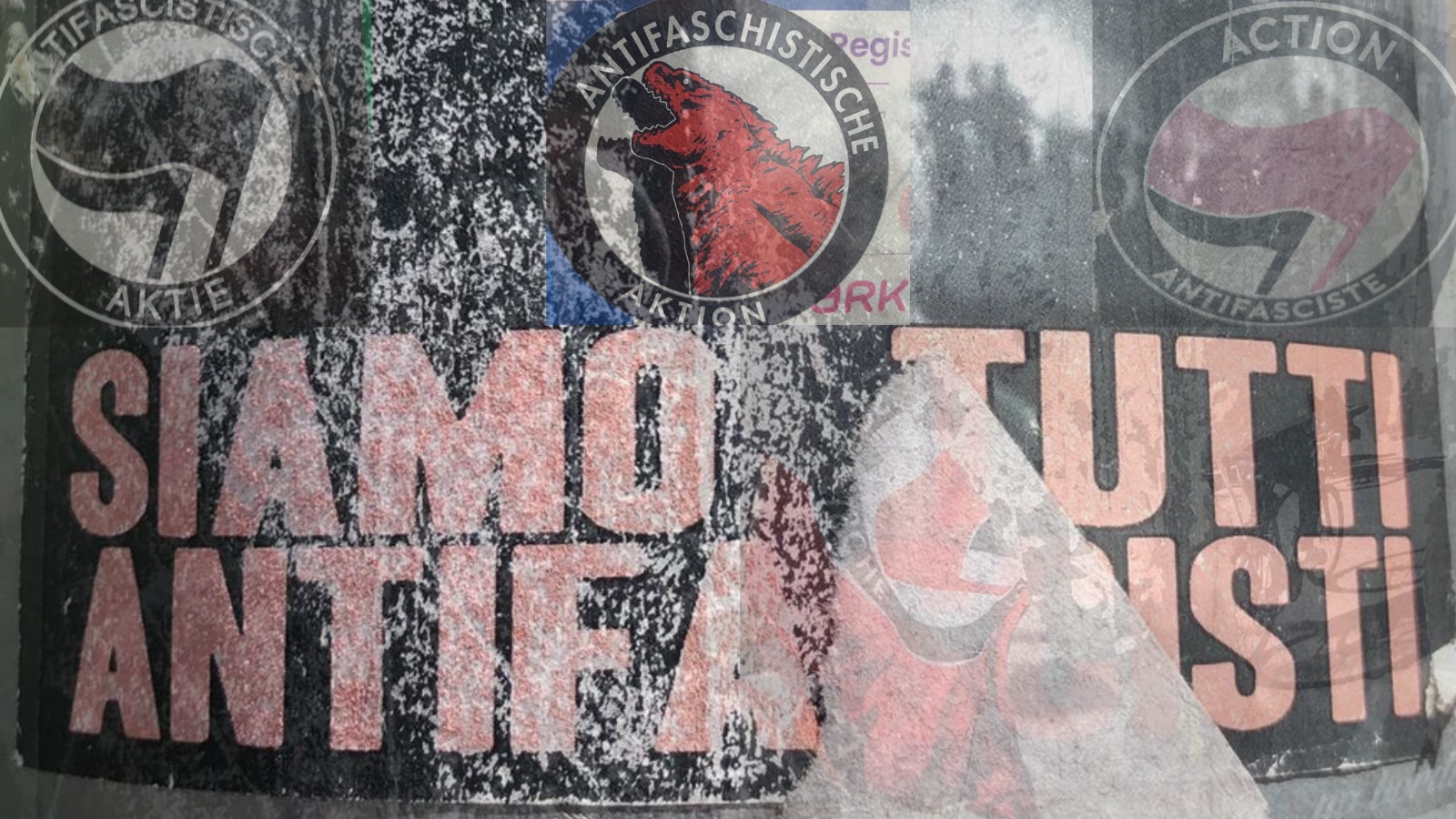
The history of all these movements, ideologies and patterns of political order is also the history of resistance to them. Antifascism has become the term for a broad range of counter-positions and counter-concepts that seek to resist, interrupt, or otherwise counter any of the forms of fascism that have and continue to emerge. An “antifascist minimum” can be defined here as “a thought, attitude or feeling of hostility towards fascist ideology and its propagandists” (Copsey 2010). In contrast to an objective definition of fascism, the subjective assessment of those who often act as primary definers in the political conflict comes to the fore. Based on this minimum, a high plurality of positions, actors, goals and practices emerges.
This (conflictual) plurality is reflected in anti-fascism research internationally:
- It examines anti-fascism as resistance against political groups or against fascism in power
- It examines anti-fascism as a state doctrine, as a configuration of civil society actors or as dissident politics “from below”
- It examines anti-fascism in its various ideological and cultural contexts and thematic focuses
- It is dedicated to different actors, such as parties, trade unions, organisations, grassroots movements and autonomous groups
- It examines anti-fascism in terms of its practical forms, which range from legislative action and appeals to militant forms.
Goals and aims
This network, which was launched at the 2021 Hofstra Antifascism conference, is an attempt to bring together the international community of researchers on antifascism.
Research on antifascism has a long tradition. At the same time, the field is fragmented. This has to do with different emphases as well as different disciplinary backgrounds and theoretical approaches.
However, the first attempts at transnational and international comparative research show the potential and the necessity of networking researchers from different disciplines.
This is all the more necessary as one of the most important cultural concepts of the twentieth century faces a theoretical and empirical redefinition in the face of the new right-wing movements mentioned above.
As a first step, the network will serve as a resource for other researchers, establishing contacts and providing an overview of past and current research on the topic. In the medium term, further networking formats are planned, such as working groups, conferences and publications. Ultimately, we plan to host interviews, learning resources, and other outreach materials to share research with public audiences, media, educators, and relevant policy makers.
Who is invited?
We invite to this research network all those who deal with the history and practice of anti-fascist movements and groups as part of research institutes and universities or as independent researchers.
In line with the lines outlined above, we aim for a broad thematic and disciplinary base. We invite colleagues from the fields of history, protest studies, sociology, cultural studies, political science and other disciplines. Activists are invited to participate as long as they see themselves – for example through their work in history workshops or archives – as part of a historiography from below and thus also as researchers.
How to participate?
We are keen to collaborate with academics working across temporal and regional differences to create a central hub of information, resources, bibliographic literature, and event notifications. Any researcher on antifascism is welcome to be featured on our researcher page, while those who are open to being media contacts can be listed there. We also invite scholars who wish to be listed as ‘country experts’ to volunteer as individuals or in teams to curate the information on a regional/national page for each movement internationally. Please email us via the ‘contact us’ form.